Performance and Reenactment, Universität der Künste, Berlin 2018
with Anastasiia Baranova, Sophia Branz und Yanik Wagner
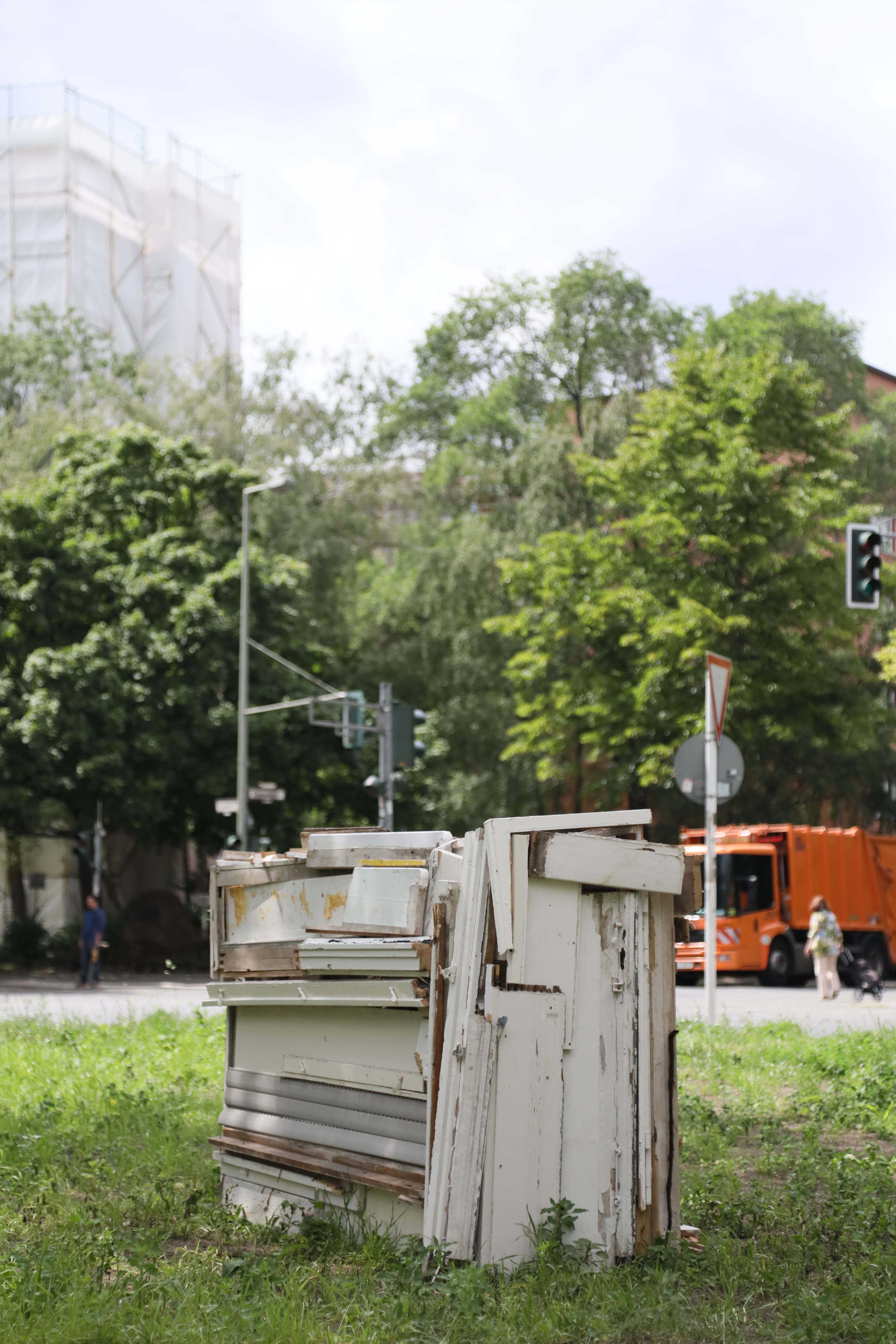
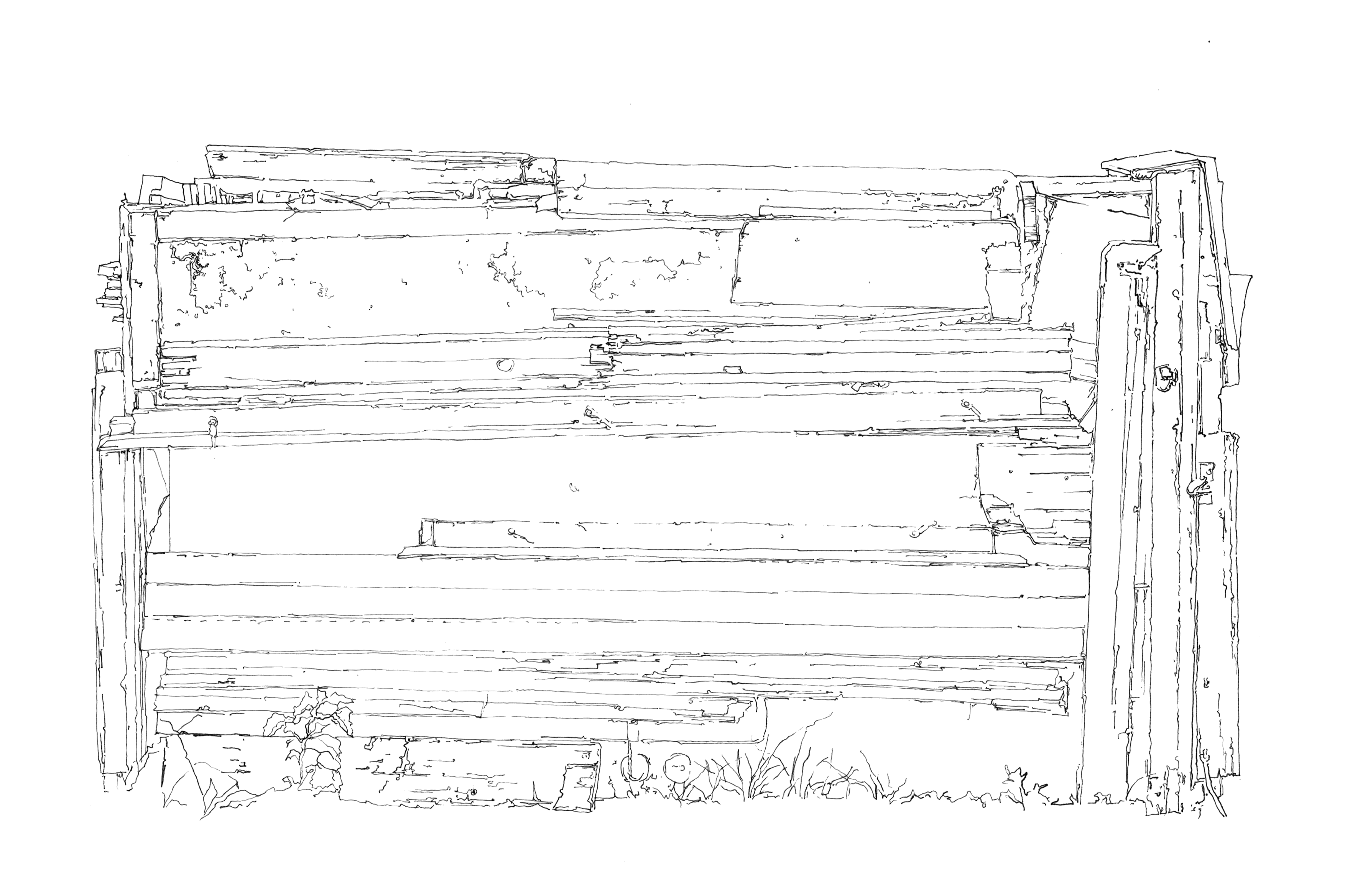
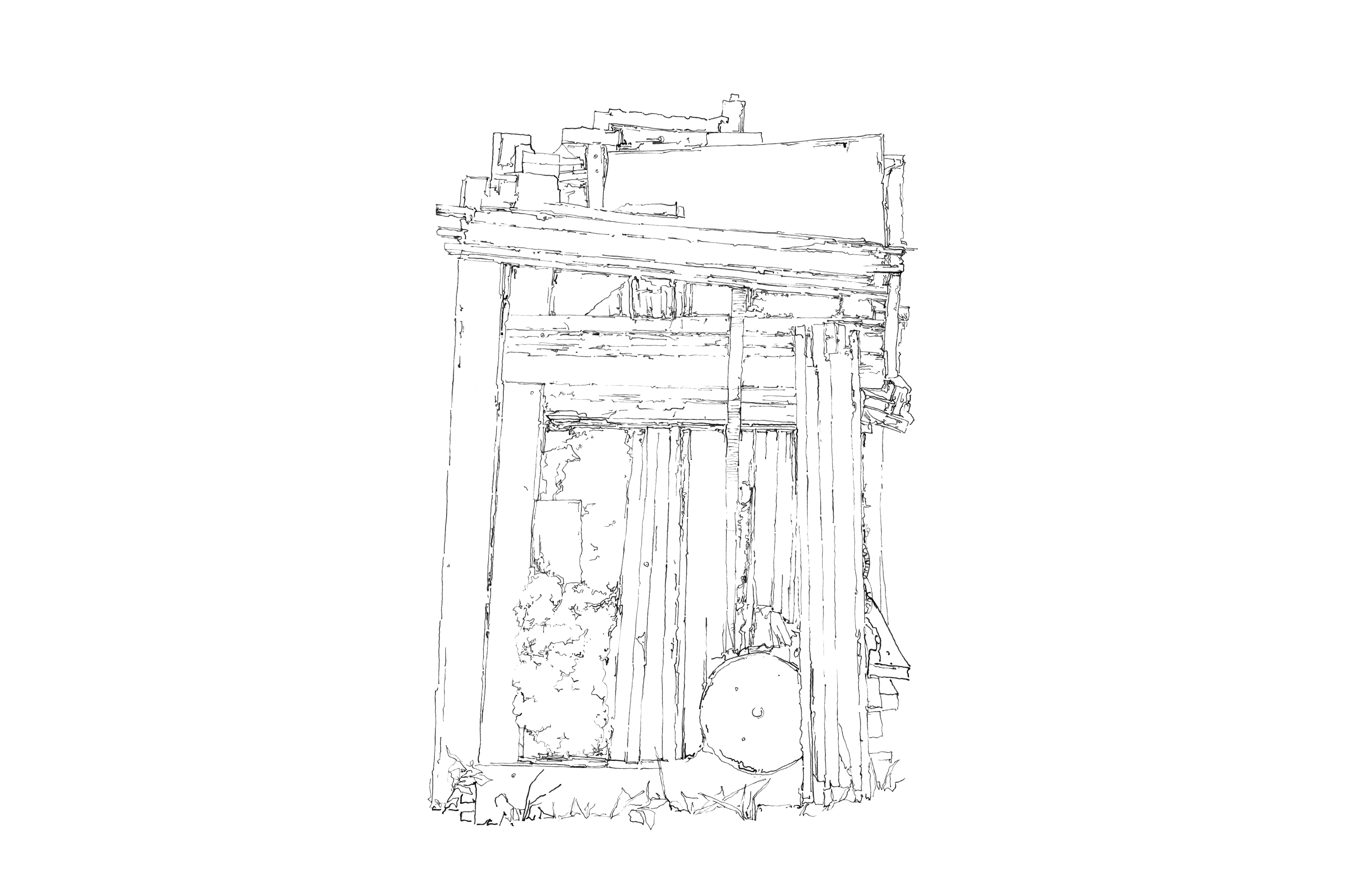
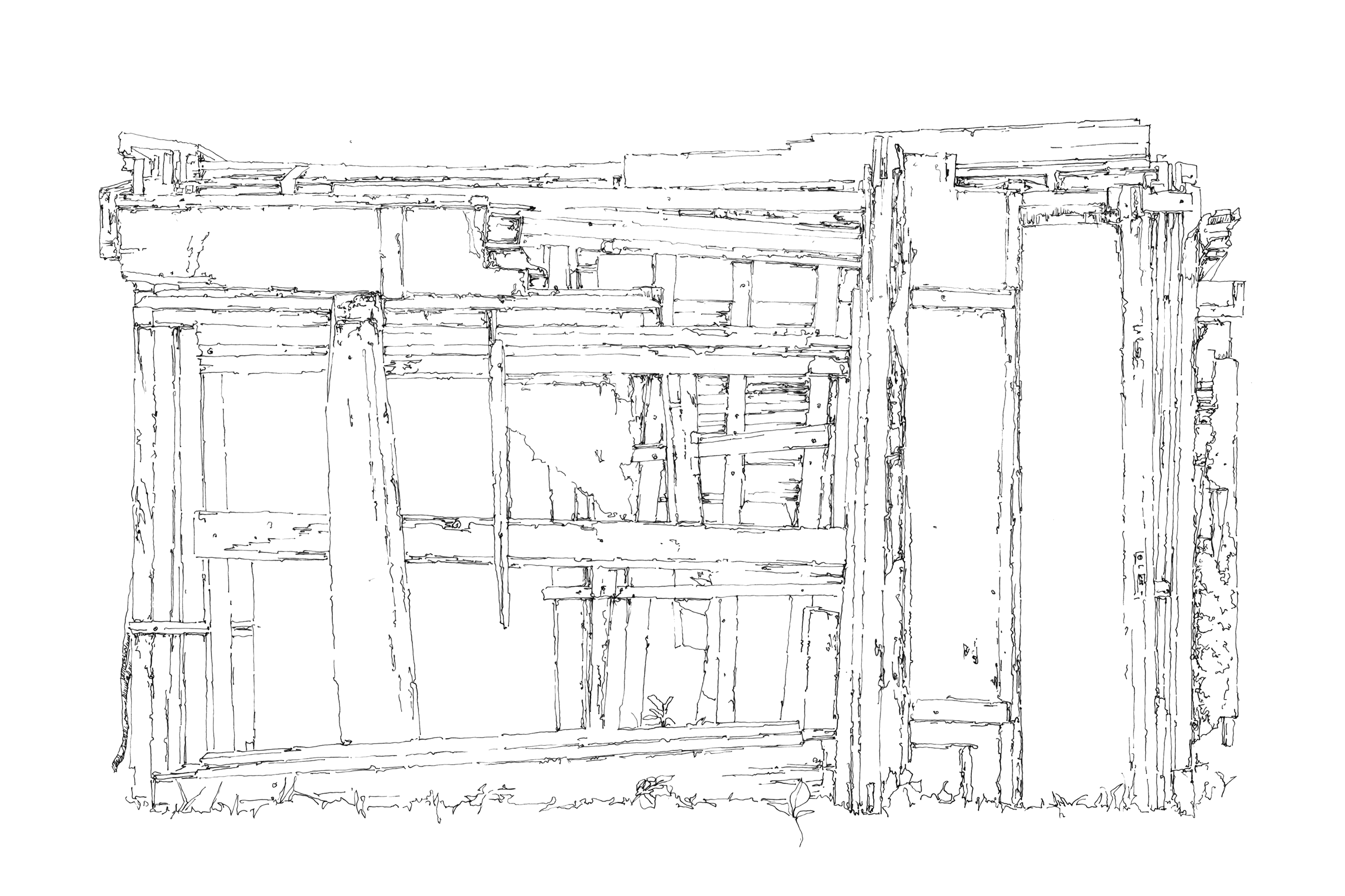
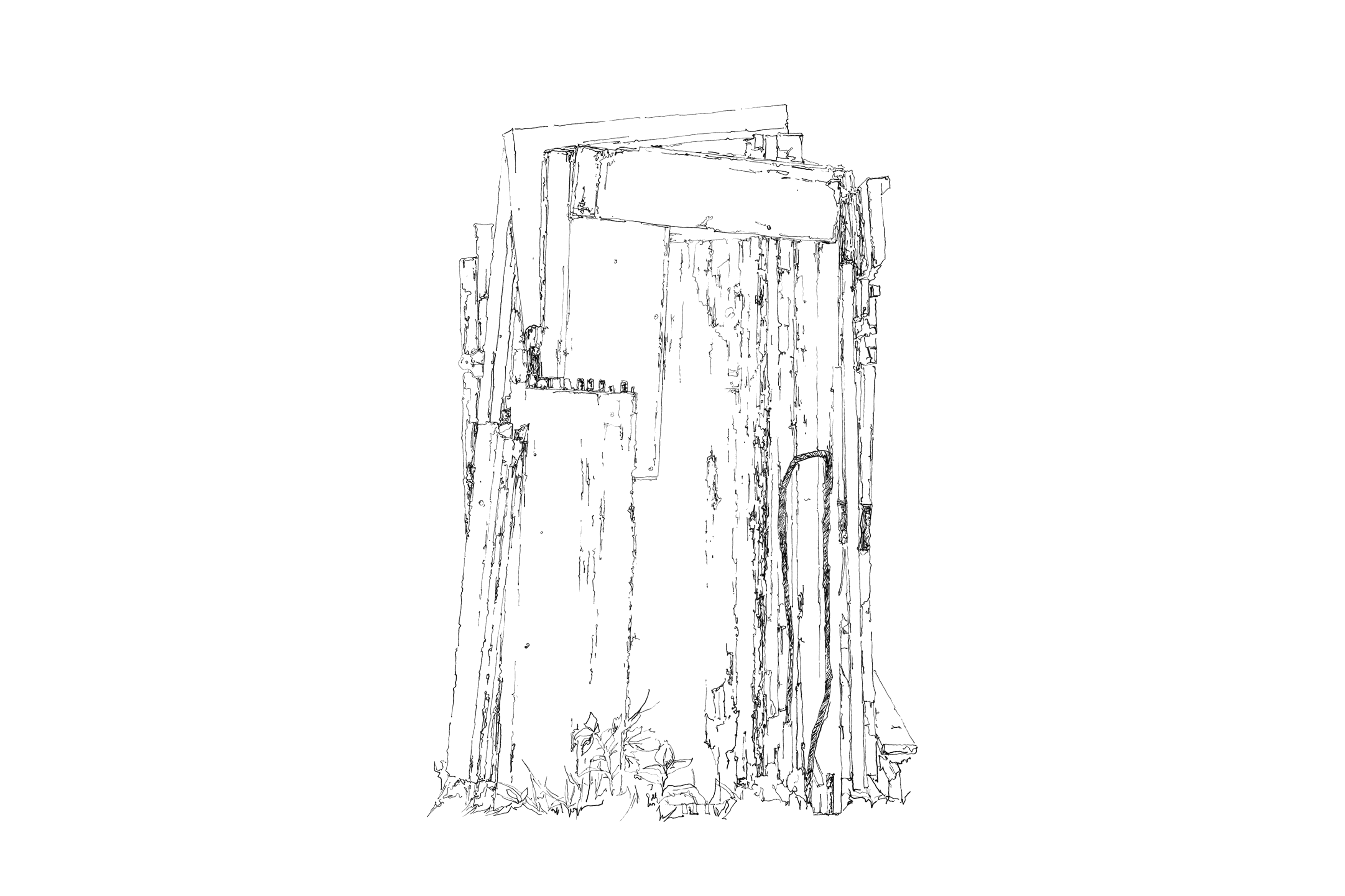
The Otto Suhr Estate was built between 1956 and 1963 as a social housing estate in West Berlin, in close proximity to the Berlin Wall. Until 2004, all of the houses in the estate were owned by the state-owned housing association “WBM.” As a result of austerity policies, parts of the estate were sold to private housing associations and are now part of the portfolio of “Deutsche Wohnen AG” (Vonovia since 2021). Under the banner of “energy-efficient renovation,” the Otto Suhr Estate is an example of how displacement mechanisms can be seen. During a performance, we created a sculpture in public space, following the example of Gordon Matta-Clark.
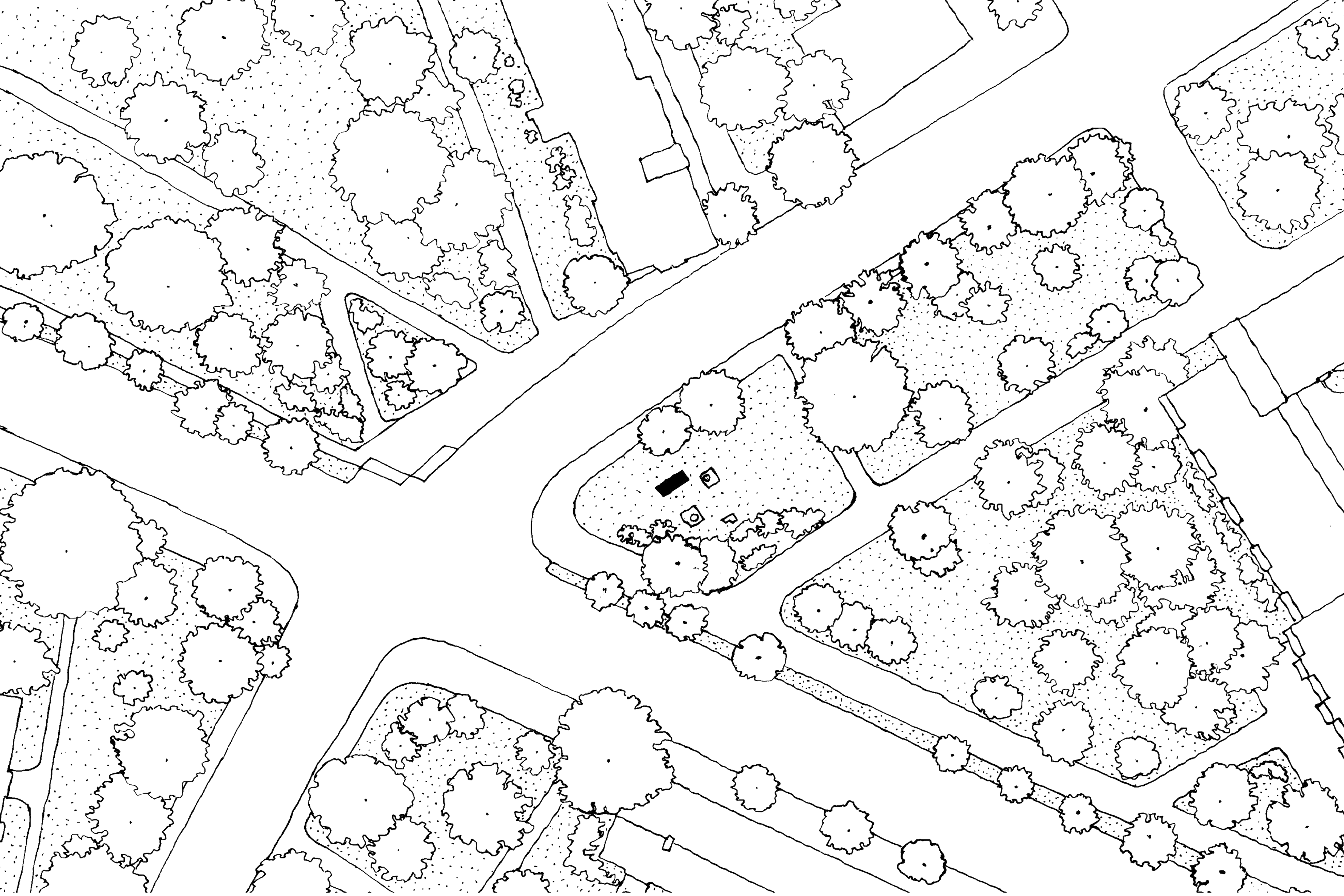
The busy Oranienstraße connects the publishing district in the northwest with the center of Kreuzberg in the southeast. At this point, Alexandrinenstraße forms the connection between the housing estate in the northeast and the southwest. We chose a remaining green space at this very intersection to make the object visible to both residents of the settlement and unaware passersby.
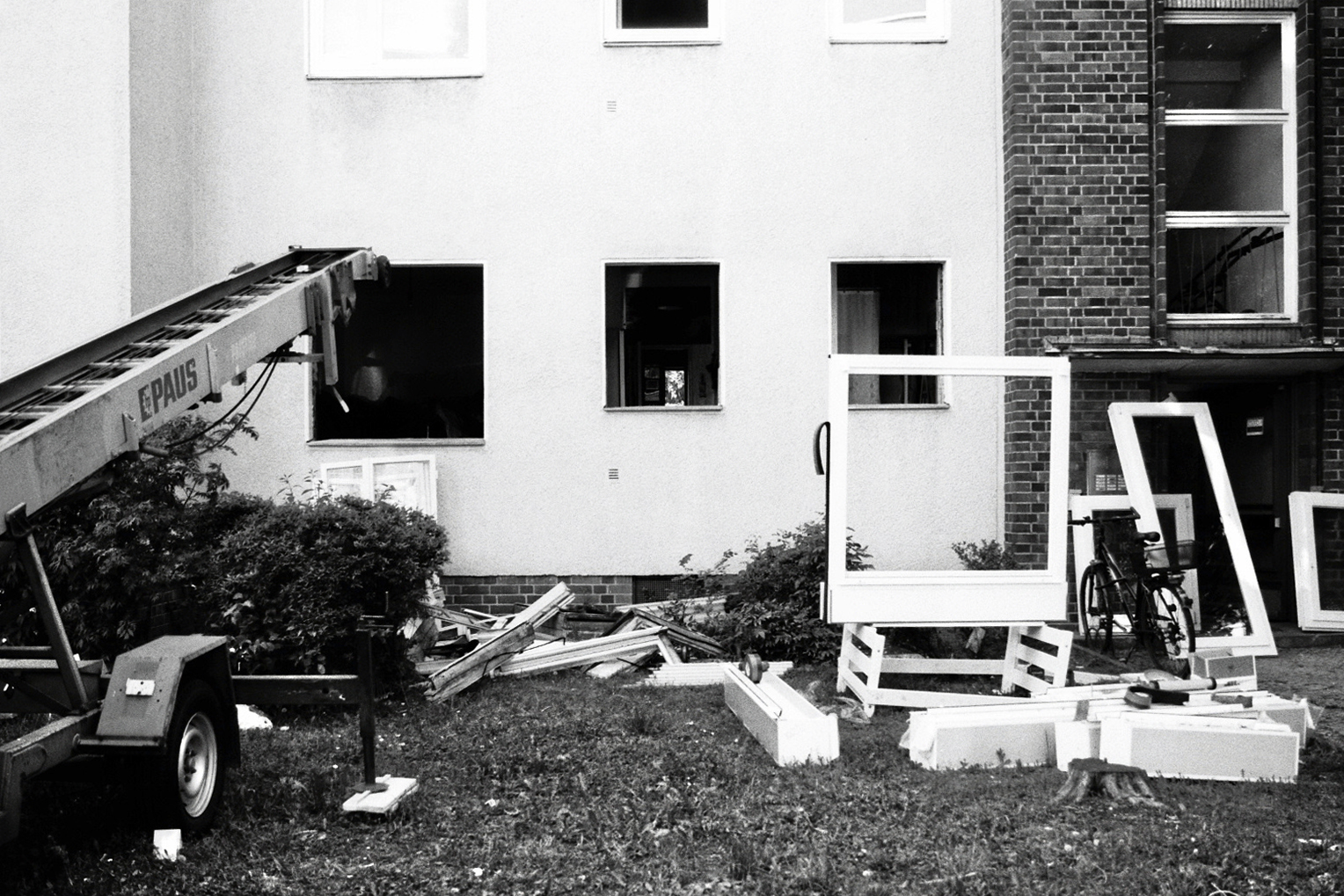
The renovation works focused on improving the energy efficiency of the façade. The original wooden windows were replaced with new plastic windows and, in a further step, polystyrene insulation was added to the building. According to the law, 30% of these costs may be charged to the tenants. We used only waste materials from the renovation process to construct our object.
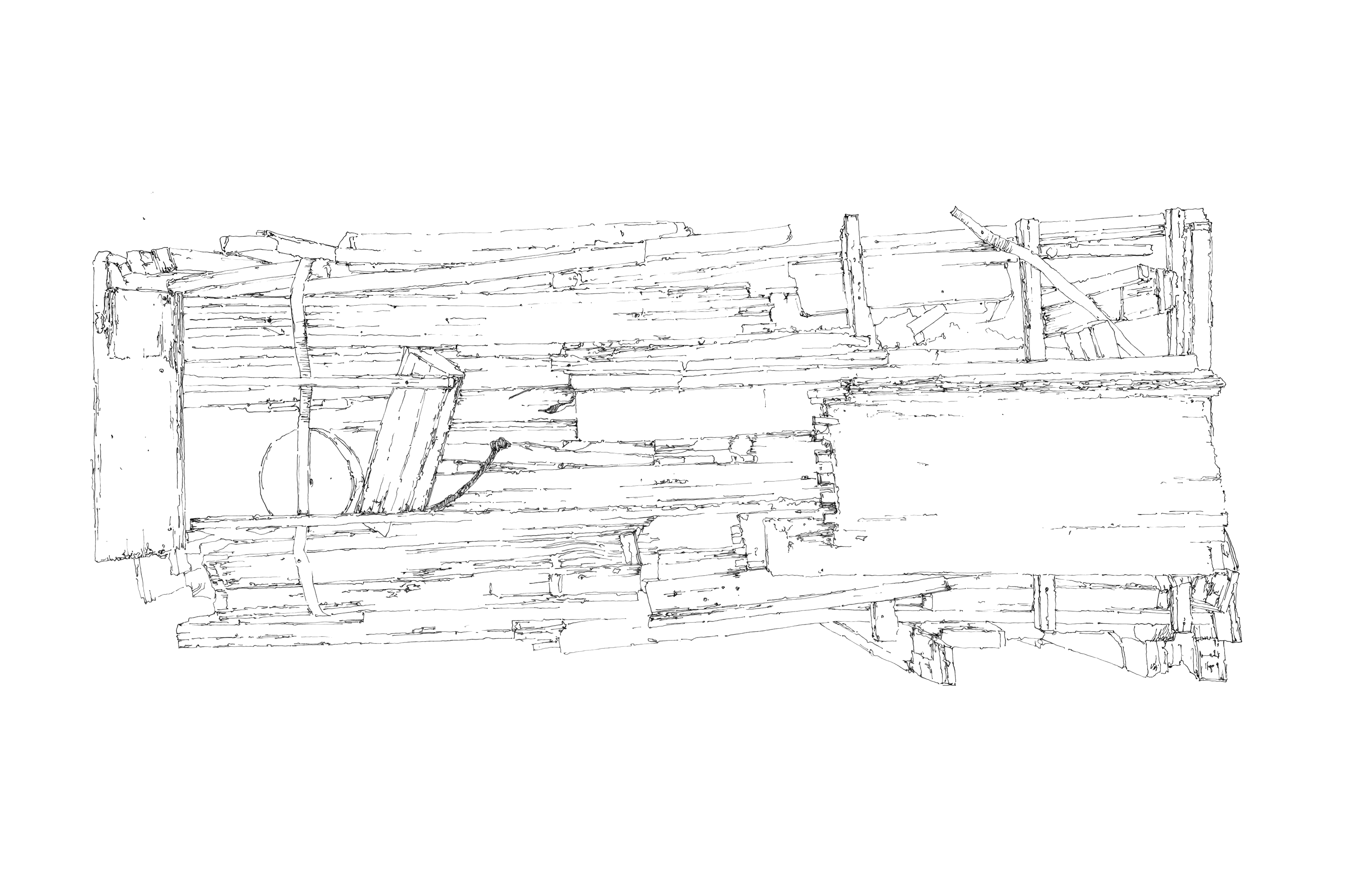
In one day, we created the object, documented it on film and in drawings, and visited it repeatedly until it disappeared after three days.